Leave the busy streets of Rome and travel east into the hills of Tivoli, a town whose cooler climate, abundant water and green setting made it a favored retreat from the capital for centuries. This halfday experience brings together two UNESCO World Heritage Sites that represent very different moments in Italian history: the Imperial vision of Villa Adriana and the Renaissance theater of water at Villa d’Este.
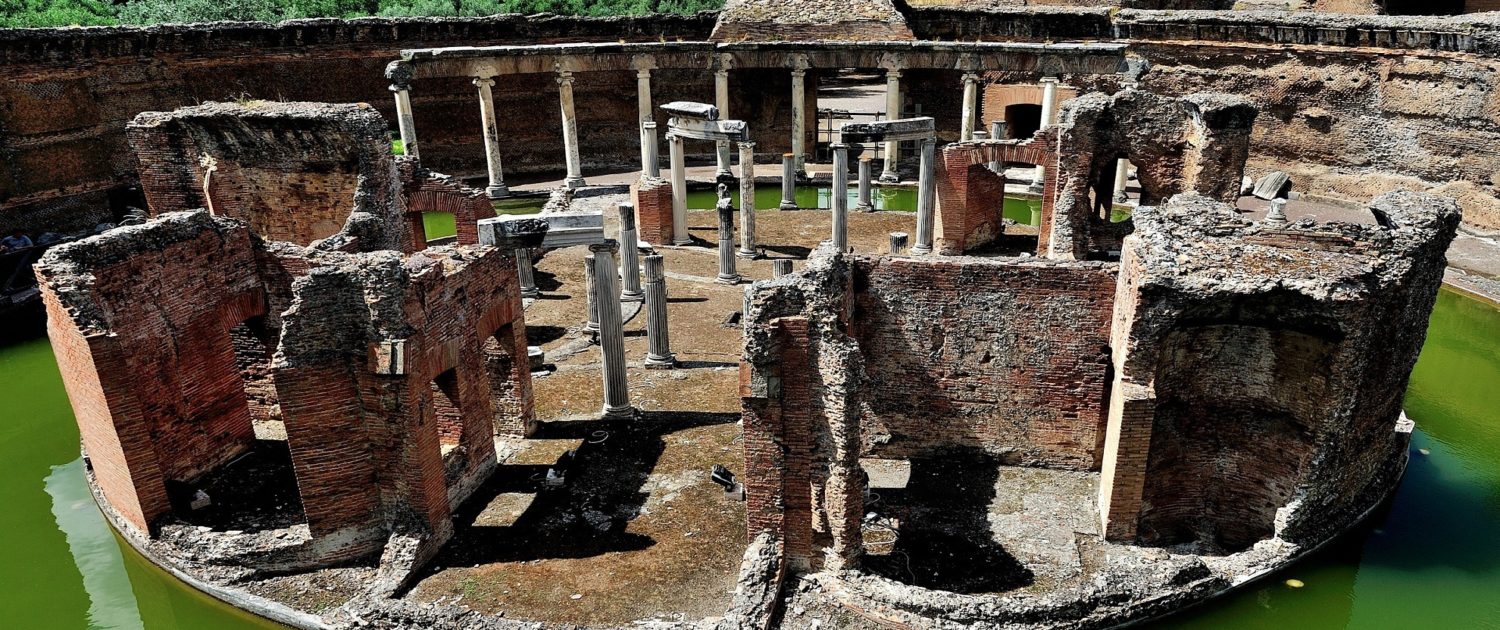
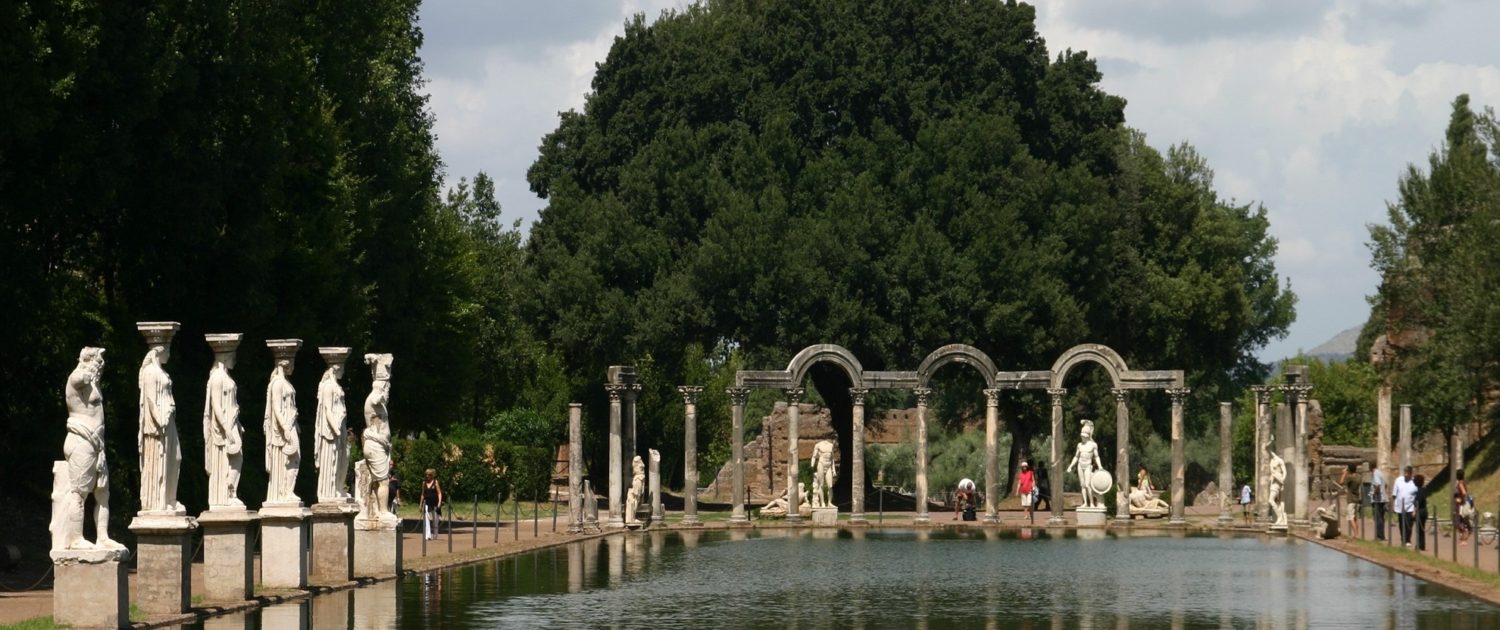
Begin at Villa Adriana, the enormous country residence created for Emperor Hadrian in the second century AD. Rather than a single villa, the complex functioned almost like a private city, with residential buildings, gardens, baths, libraries, pools and ceremonial spaces spread across a vast landscaped area. Hadrian was a widely traveled emperor, and the architecture reflects influences and memories drawn from across the Roman world.
Walk with your guide through the surviving structures and learn how the emperor used the estate as both residence and seat of government. Pools and colonnades reveal the close relationship between architecture and landscape, while the scale of the ruins makes it possible to imagine the resources and ambition required to construct such an extraordinary retreat.
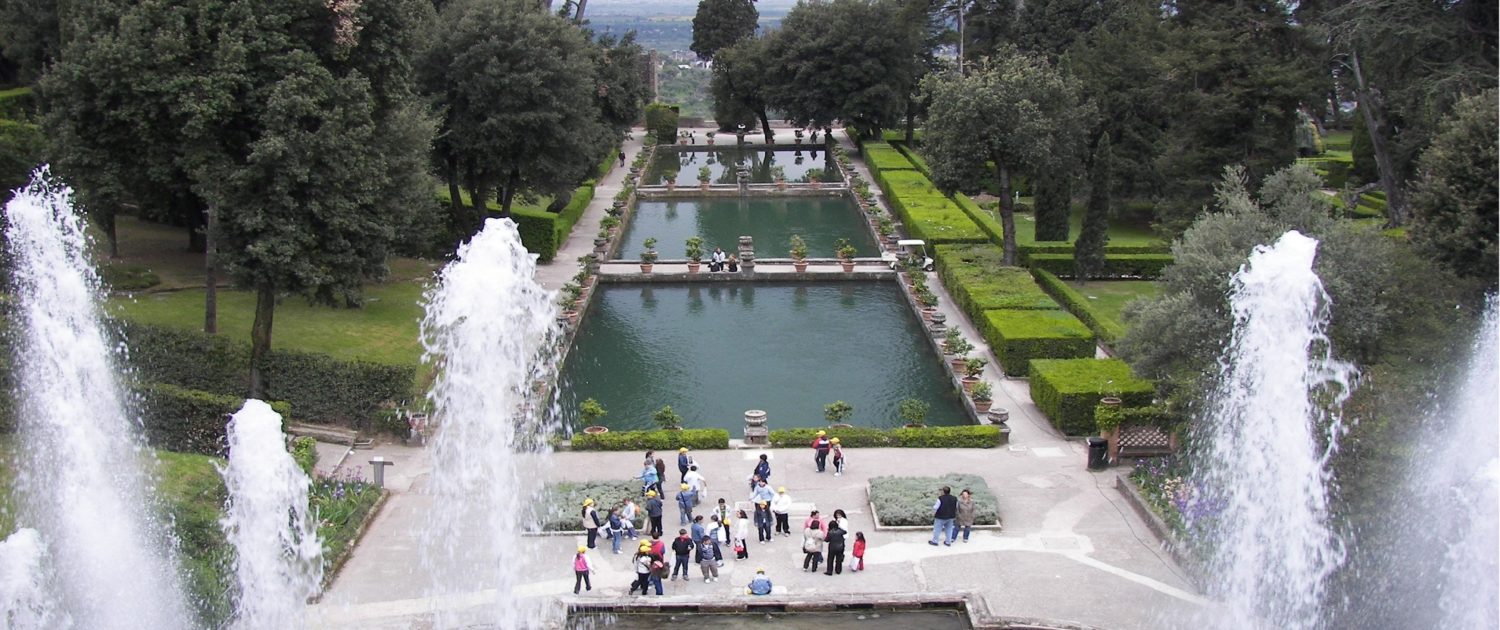
Continue to Villa d’Este, created more than a thousand years later during the Renaissance. Here the emphasis shifts from Imperial scale to choreographed beauty. Terraces descend through gardens filled with fountains, water jets, cascades and carefully framed views. The ingenious hydraulic system became famous throughout Europe and still gives the villa its distinctive sense of movement and sound.
Your guide explains the symbolism behind the gardens and the family ambitions that shaped the estate. Famous features such as the Avenue of the Hundred Fountains and dramatic water displays show how Renaissance designers transformed engineering into spectacle. Even simple walks between terraces reveal changing perspectives over Tivoli and the surrounding countryside.
Together, the two villas offer an unusually clear contrast: Hadrian’s estate expresses the global confidence of Imperial Rome, while Villa d’Este captures the refinement and theatrical imagination of the Renaissance. Returning to Rome, you will have seen how the same landscape inspired power, art and leisure in two very different eras.
Please Note: The itinerary may vary because of weather, traffic, restoration work, site regulations and monument opening conditions. Gardens and fountains at Villa d’Este can be affected by maintenance or watersystem operations. Both sites involve walking on uneven historic surfaces and include slopes or steps. Comfortable shoes are strongly recommended.