Ancient Rome is not contained within one archaeological park. Its remains are spread throughout the modern city, sometimes standing in the open and sometimes absorbed into churches, squares and later buildings. This guided walk explores that continuous history, showing how Rome repeatedly reused its own past rather than separating ancient monuments from everyday urban life.
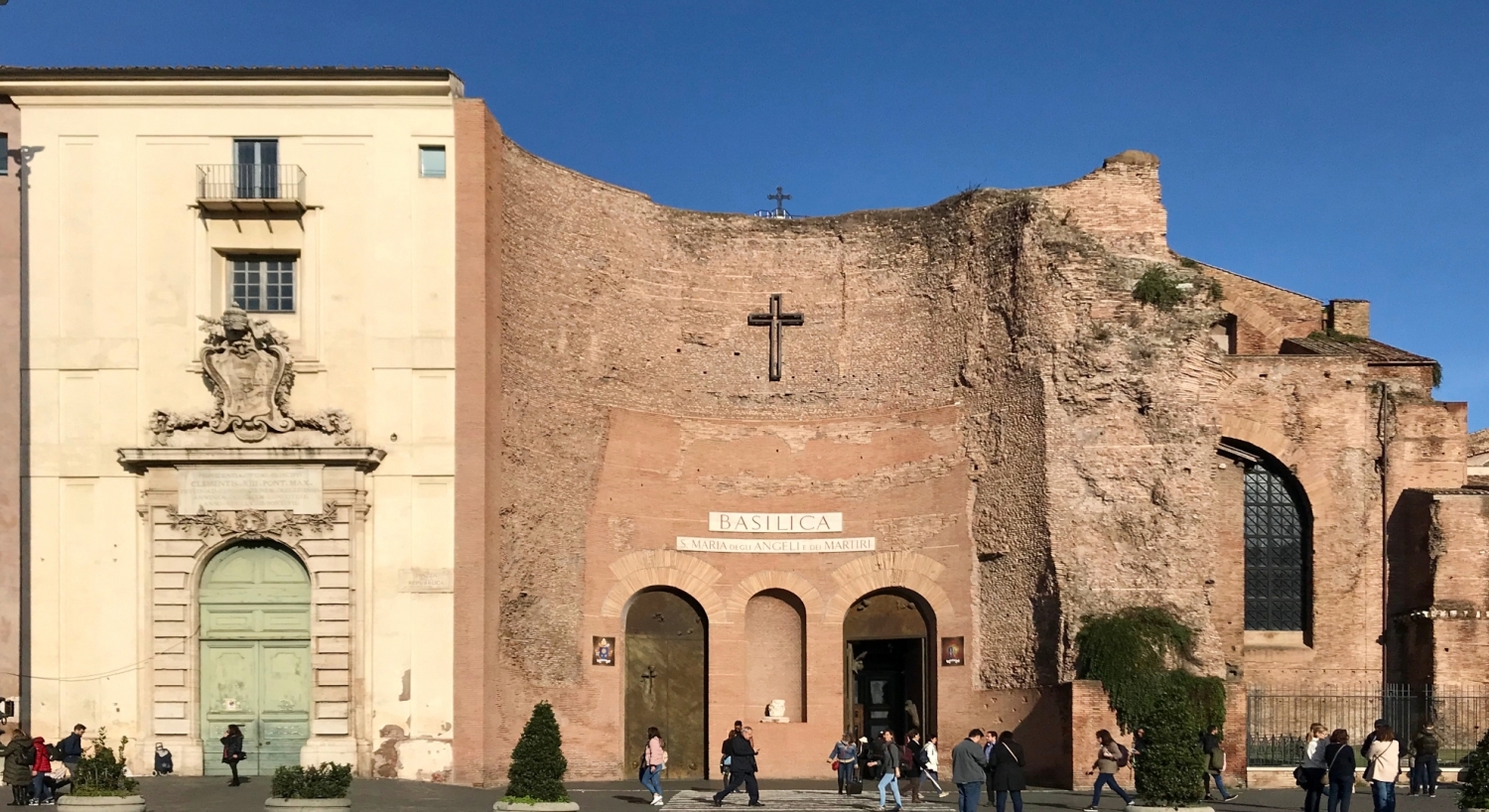
Begin in an area shaped by one of the great architectural complexes of Imperial Rome: the Baths of Diocletian. Built on an enormous scale, the baths were once a place for washing, exercise, social life and public interaction. Their surviving structures help explain how sophisticated Roman public architecture could be and how large communal complexes influenced the layout of entire neighborhoods.
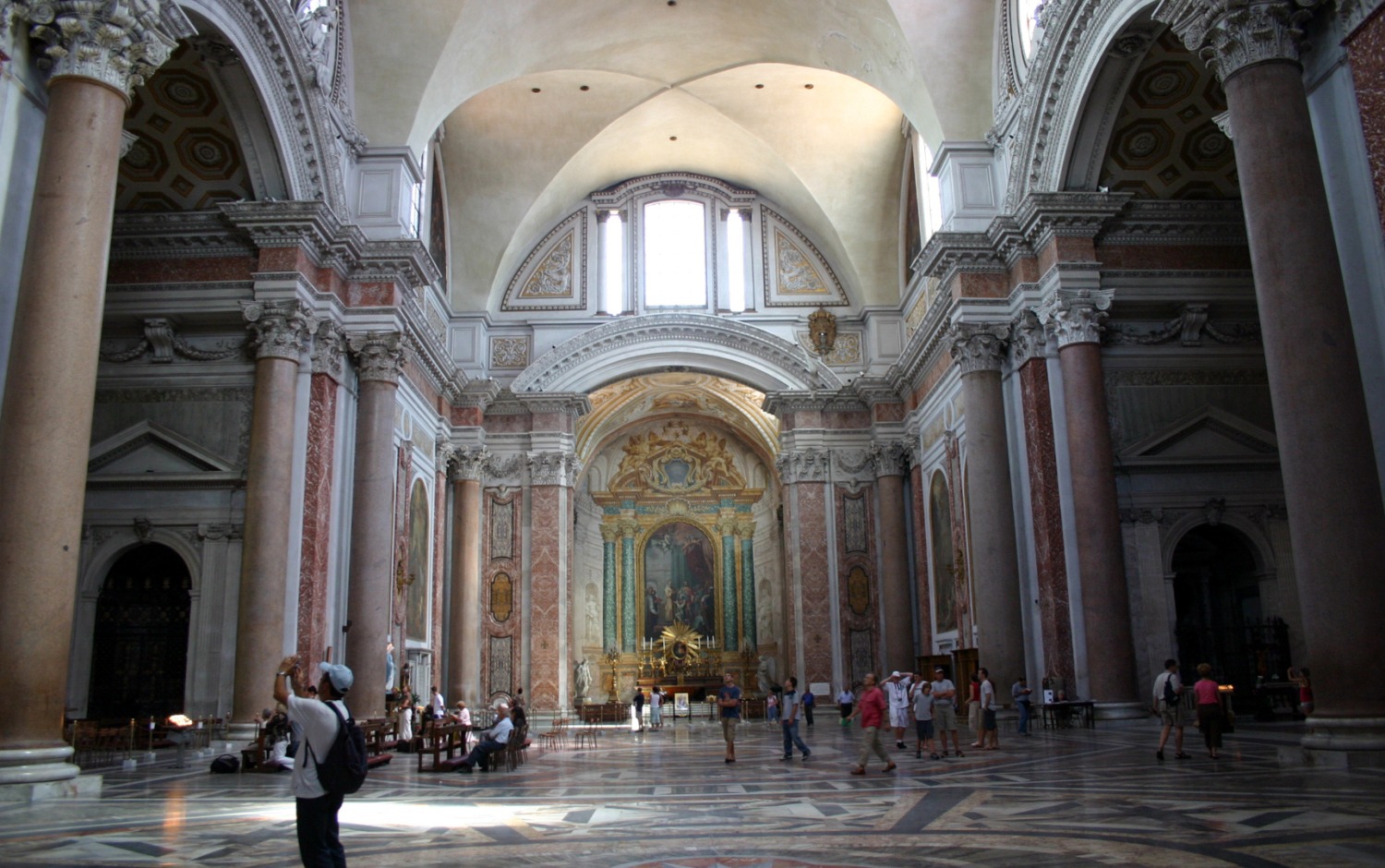
Centuries later, parts of the ancient baths were transformed into Christian and civic spaces. The Basilica of Santa Maria degli Angeli e dei Martiri, associated with a design by Michelangelo, is one of the most striking examples of that transformation. From within a Roman structure emerges a monumental church, demonstrating how different periods of history in Rome often coexist rather than replace one another.
As the walk continues, your guide points out ancient fragments, reused columns, street alignments and buildings whose foundations tell older stories. These details make it possible to imagine the city not as a collection of isolated ruins, but as a continuously inhabited place where each generation inherited architecture from the one before it.
The route may also connect with nearby historic squares and monuments that reveal the transition from Imperial Rome through the medieval and Renaissance city. Discussions of engineering, religion, urban planning and daily life help give meaning to what can otherwise seem like disconnected pieces of stone.
This experience is especially rewarding for travelers who have already seen the Colosseum or want a broader picture of Roman civilization. By looking at baths, transformed buildings and the relationship between ancient and modern streets, you begin to understand how deeply the Imperial city still shapes Rome today. The past is not simply preserved here; it continues to determine how the city looks, moves and tells its stories.
Please Note : The itinerary may change according to monument opening times, religious services, restoration work, weather and local restrictions. Some sites may be viewed from the exterior depending on access conditions. Churches require appropriate clothing, with shoulders and knees covered. Comfortable shoes are recommended for the walking route.