Florence is often introduced through its museums, but much of the city’s character is found outside them: in market stalls, artisan workshops, historic food shops, church squares and streets where centuries-old trades still share space with contemporary fashion. This full-day experience is designed to bring those different sides together in a relaxed exploration of the historic center.
Begin around Santa Croce, one of Florence’s great monumental areas and a neighborhood closely connected with craftsmanship and city life. Your guide introduces the architecture and history of the square while also placing it within the wider story of the Renaissance city. Depending on access and the day’s program, religious monuments may be discussed from the exterior or visited according to current opening conditions.
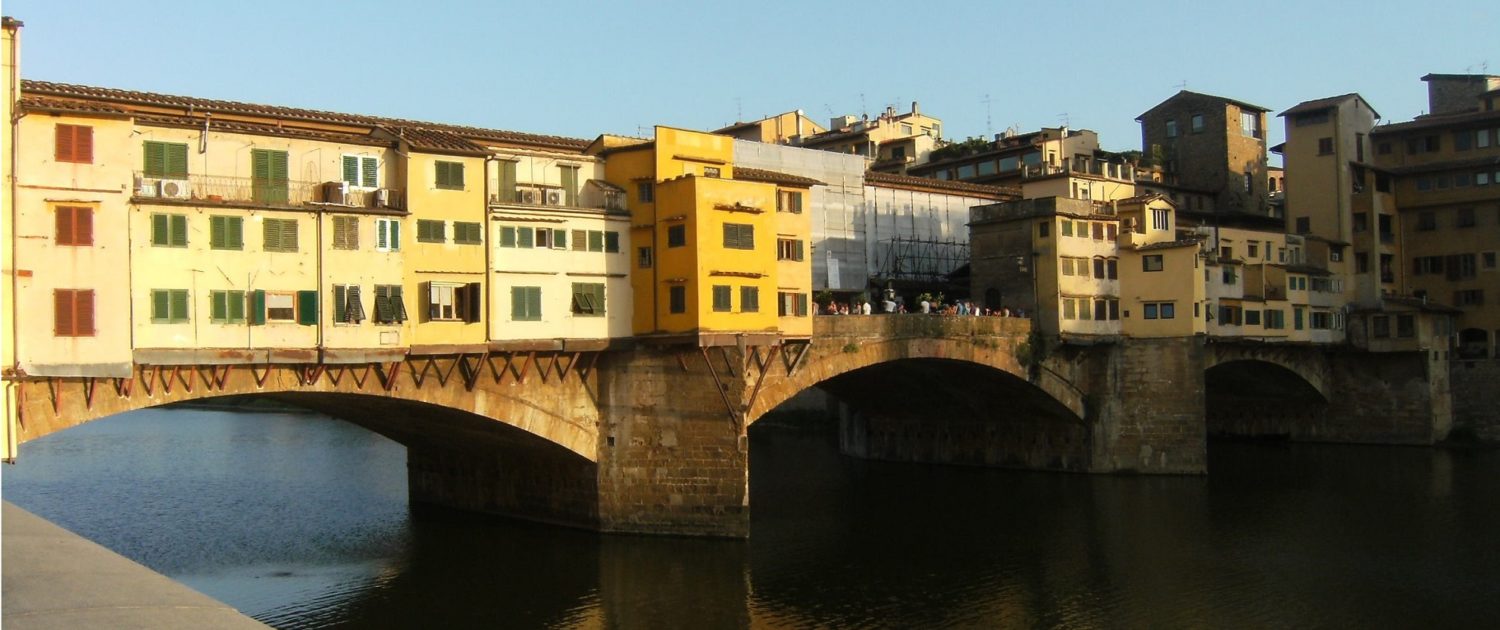
Continue through central Florence on foot, moving between famous landmarks and streets where workshops and shops have long been part of the urban fabric. The route gradually leads toward the Arno and Ponte Vecchio, the medieval bridge known for the goldsmith and jewelry shops that line both sides. Hear how the bridge survived changes that transformed other commercial streets and why goldworking became so strongly associated with this location.
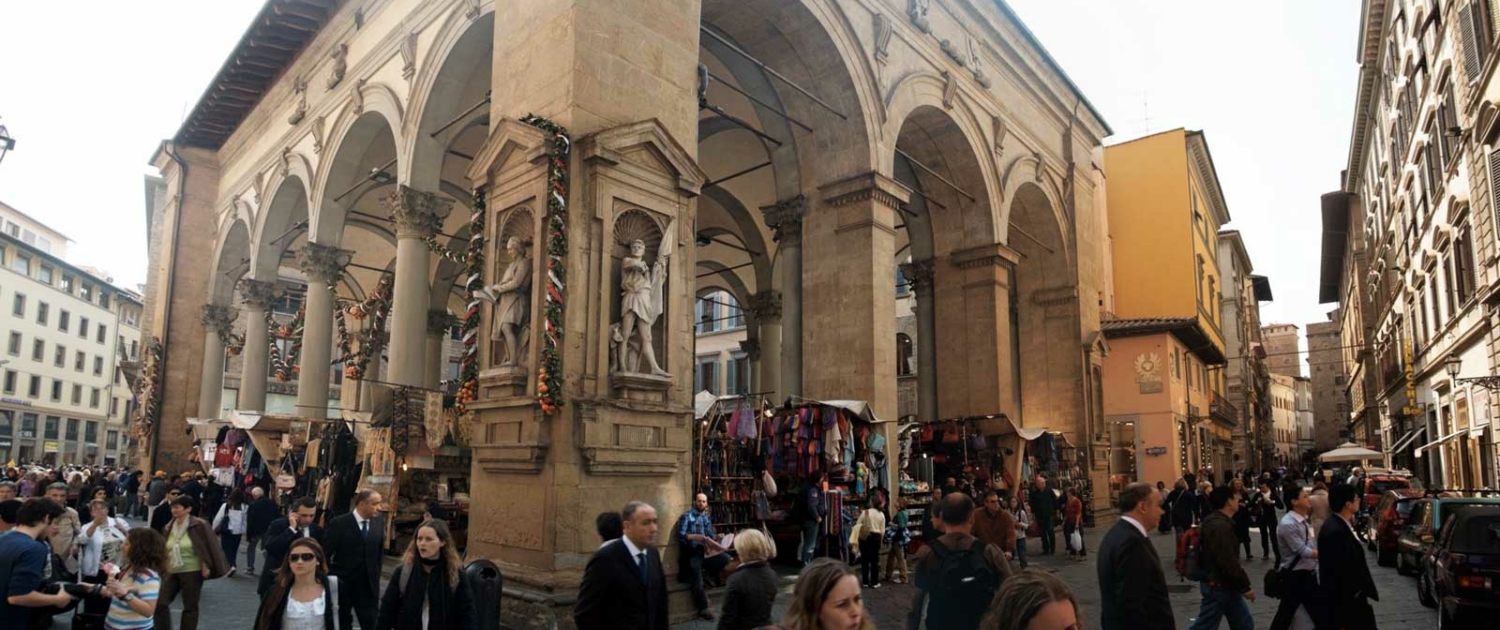
Markets and shopping are part of the experience rather than an afterthought. Depending on the day and local schedules, browse areas known for leather goods, food products, crafts and Italian style. Your guide or tour assistant can help orient you, but there is also free time to explore according to your interests, whether that means shopping, photography or simply sitting in a café and watching the city pass by.
A tasting of Tuscan products adds another dimension to the day. The exact selection may vary, but the focus is on recognizable local flavors and ingredients, offering a chance to connect the region’s food culture with the streets and markets where it has developed. Rather than a formal meal, the tasting works as a convivial pause within the walking experience.
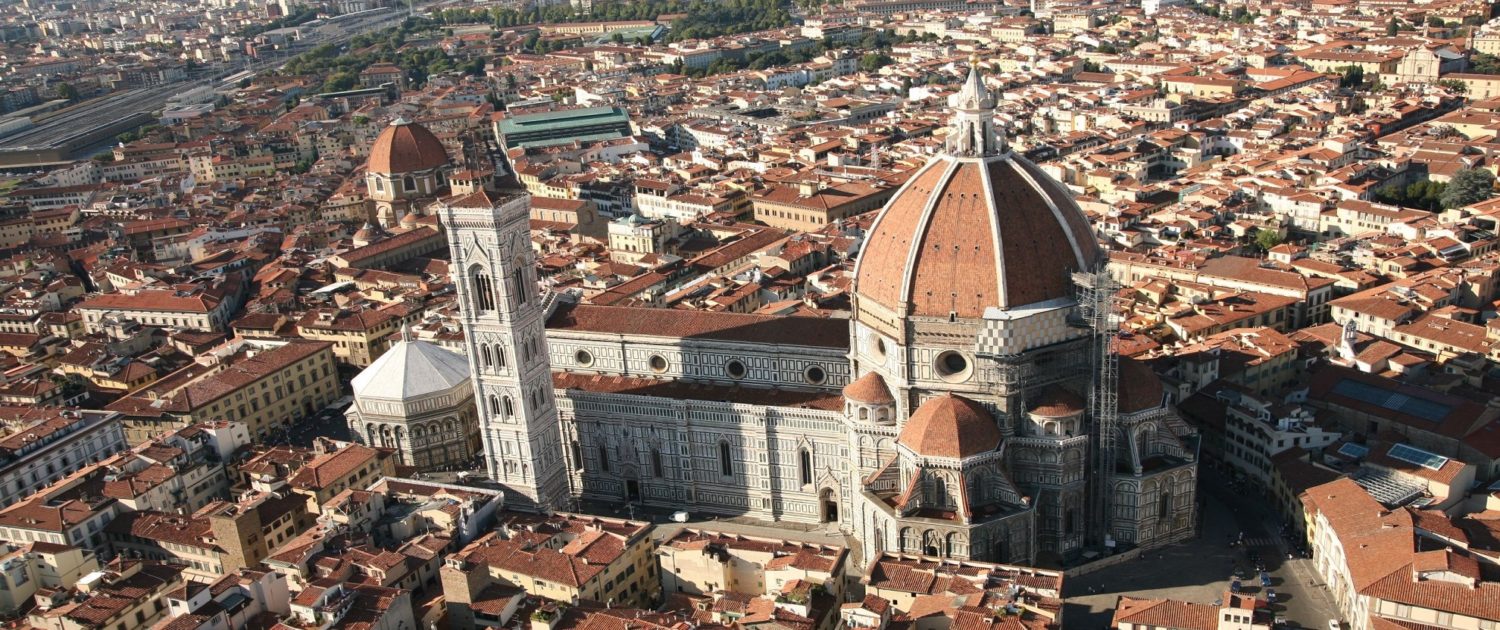
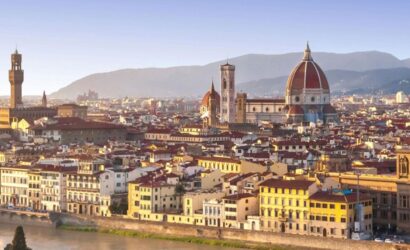
Throughout the day, Renaissance architecture remains the backdrop. Domes, towers, palaces and sculpted façades appear naturally as you move around the center, allowing art history to feel connected with present-day Florence rather than separated behind museum doors.
By the end, you will have experienced the city through several senses: seeing its architecture, hearing its stories, touching the texture of its markets and artisan traditions, and tasting a little of Tuscany. It is a balanced way to understand why Florence remains both a world capital of art and a city people still love simply to wander.
Please Note : The itinerary, market visits and tasting stops may vary according to weather, local events, market schedules, religious services, seasonal availability and operational requirements. Food selections can change; allergies or dietary restrictions should be advised at booking. Some churches or monuments may be viewed from the exterior depending on access conditions.