Only a short distance from modern Rome lies a complete ancient city where it is still possible to walk streets, enter buildings and understand how ordinary Romans lived. Ostia Antica was the great harbor settlement connected with the capital, and its extraordinary preservation makes it one of the most rewarding archaeological sites in Italy.
Travel from Rome with organized transportation and meet your professional guide for a journey into a city that grew around trade, shipping and the movement of goods along the Tiber. Founded in antiquity and expanded over centuries, Ostia became essential to the supply of Imperial Rome. Its ruins therefore reveal not only monuments, but the practical infrastructure of urban life.
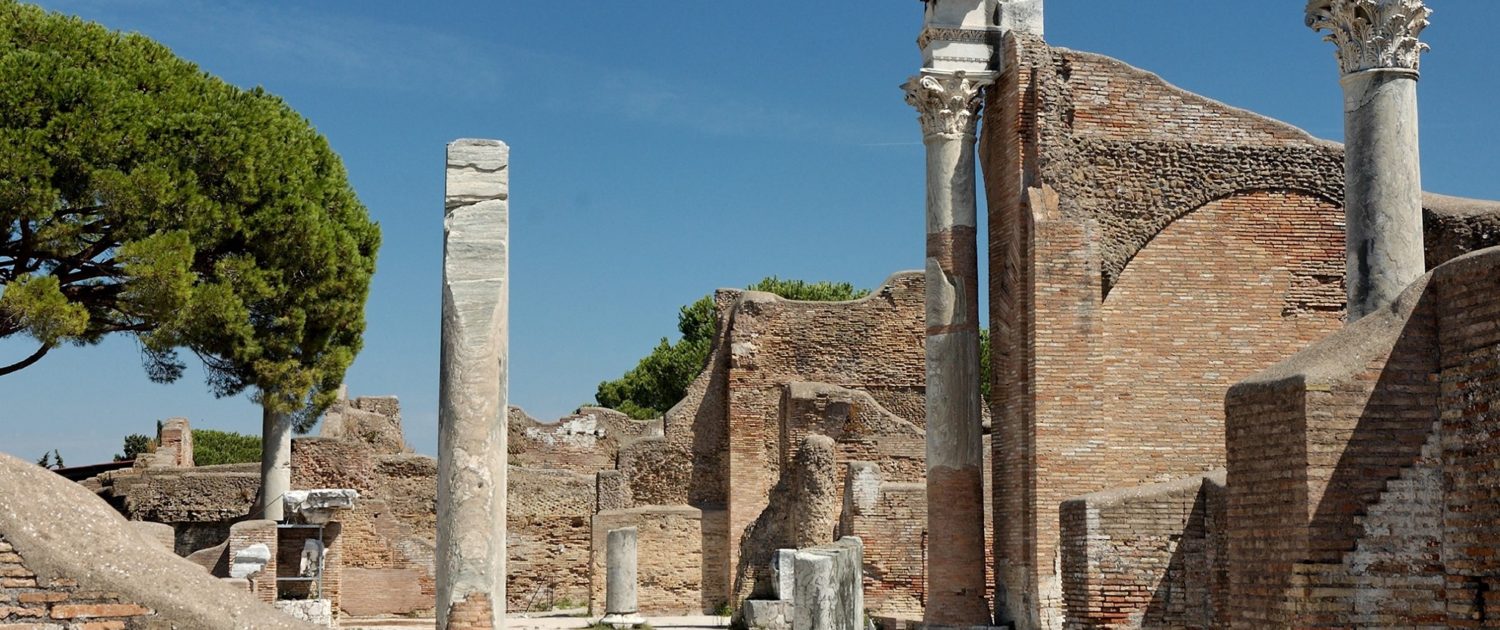
Begin along the Decumanus Maximus, the main street that cuts through the archaeological area. As you walk over ancient paving stones, your guide points out the remains of shops, taverns and public buildings, explaining how commercial activity filled the streets. Multi-storey apartment blocks show a side of Roman housing very different from the villas and palaces often associated with the ancient world.
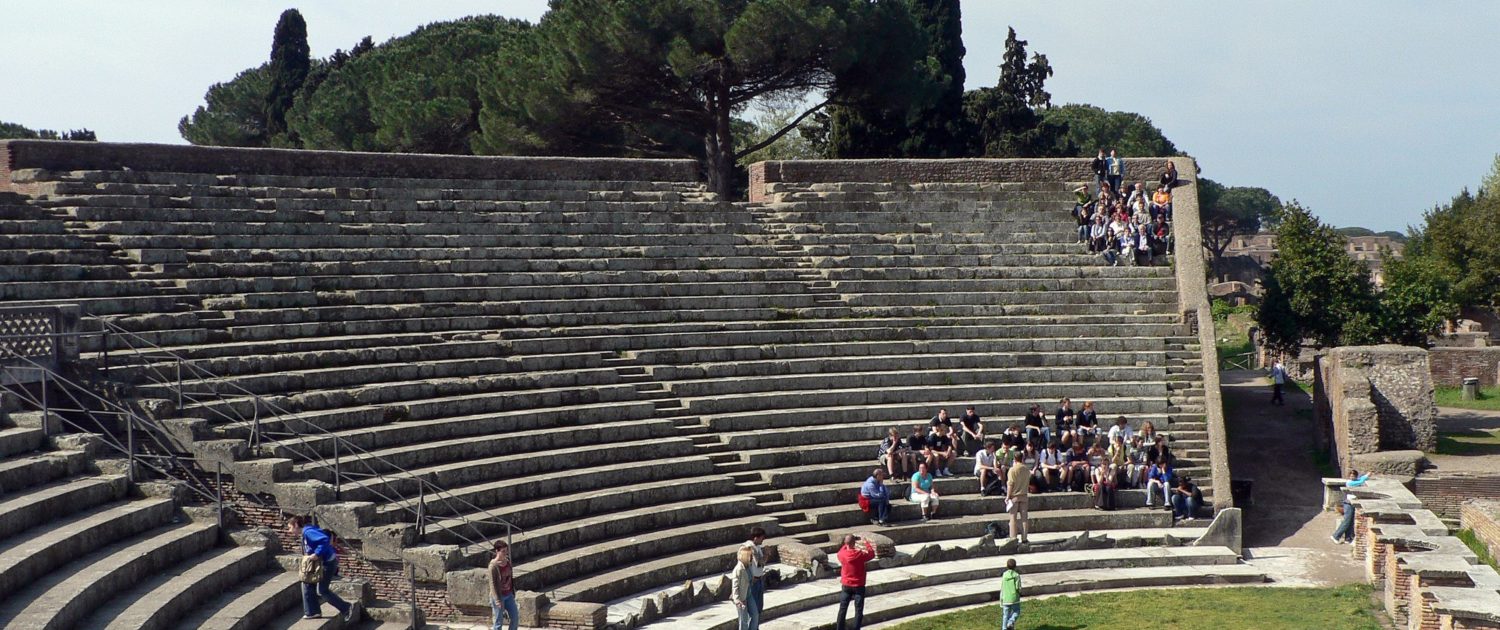
.Visit areas connected with public bathing and leisure, including the Baths of Neptune, where a remarkable black-and-white mosaic depicts the sea god and marine imagery. The ancient theatre, markets and guild buildings help reconstruct the social life of a busy port in which merchants, sailors, craftsmen, officials and families from across the Mediterranean lived side by side.
One of the pleasures of Ostia is the space to imagine. Unlike archaeological fragments embedded in modern central Rome, many areas here open directly onto one another, making streets and neighborhoods easier to read. Your guide uses that continuity to explain water systems, religion, entertainment, commerce and the practical rhythms of daily life.
entertainment, commerce and the practical rhythms of daily life. The experience offers a fascinating complement to the Roman Forum and, for travelers with limited time, an accessible alternative to the much longer journey to Pompeii. Returning to Rome, you will have a clearer image of the ancient capital not just as a city of emperors, but as a metropolis sustained by workers, trade and the harbor community that kept it supplied.
Please Note : The archaeological route may change because of weather, conservation work, site closures or operational requirements. Ostia Antica involves extensive walking on ancient paving and uneven surfaces, so comfortable shoes are essential. Some areas may be inaccessible after rain or during restoration. Opening hours are controlled by the archaeological authorities.