Rome’s Christian history is not confined to grand façades and famous basilicas. Much of it lies underneath the modern city, where churches were built over earlier churches, Roman houses, temples and streets. This guided half-day experience explores that vertical history through a series of sacred sites where archaeology and devotion exist side by side.
Begin in the Lateran area, traditionally associated with the earliest centuries of the Christian Church in Rome. Visit Saint John Lateran, the cathedral of the Bishop of Rome and one of the city’s four major papal basilicas. Its monumental interior reflects centuries of rebuilding and artistic change, while its status helps explain why this part of Rome became so important before the Vatican developed into the center visitors know today.
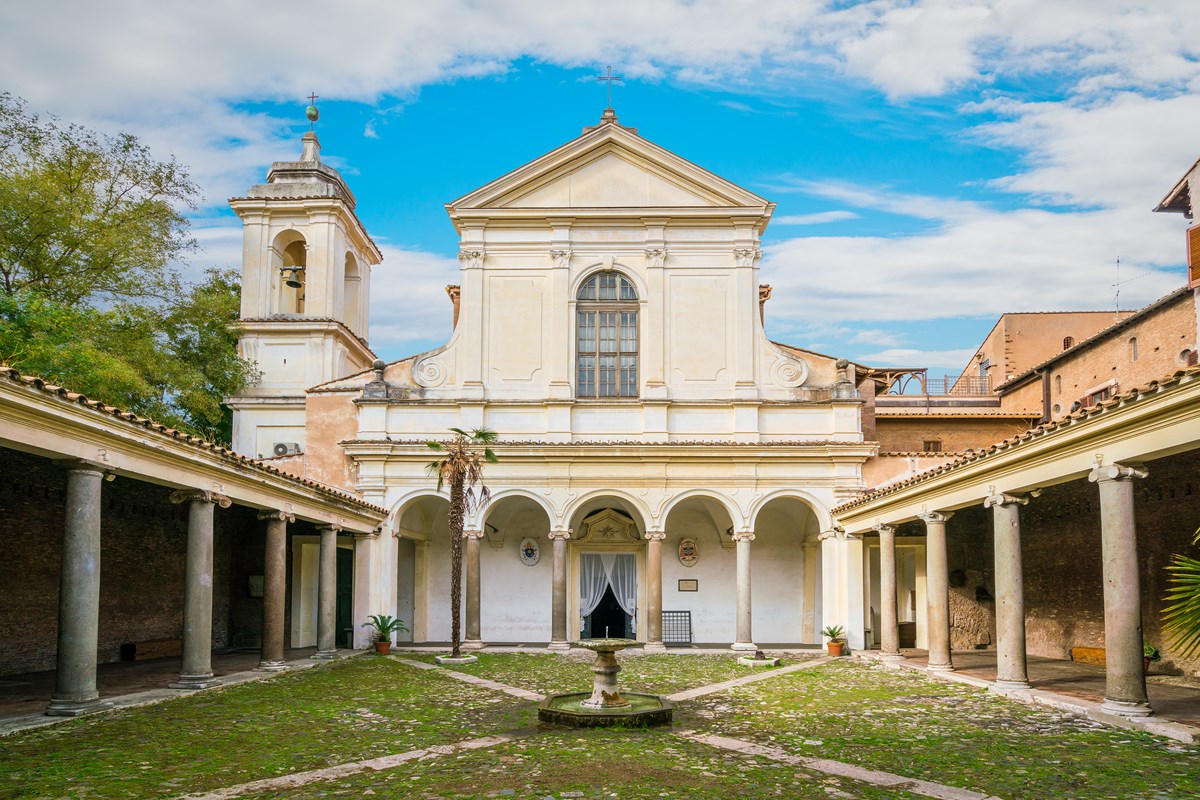
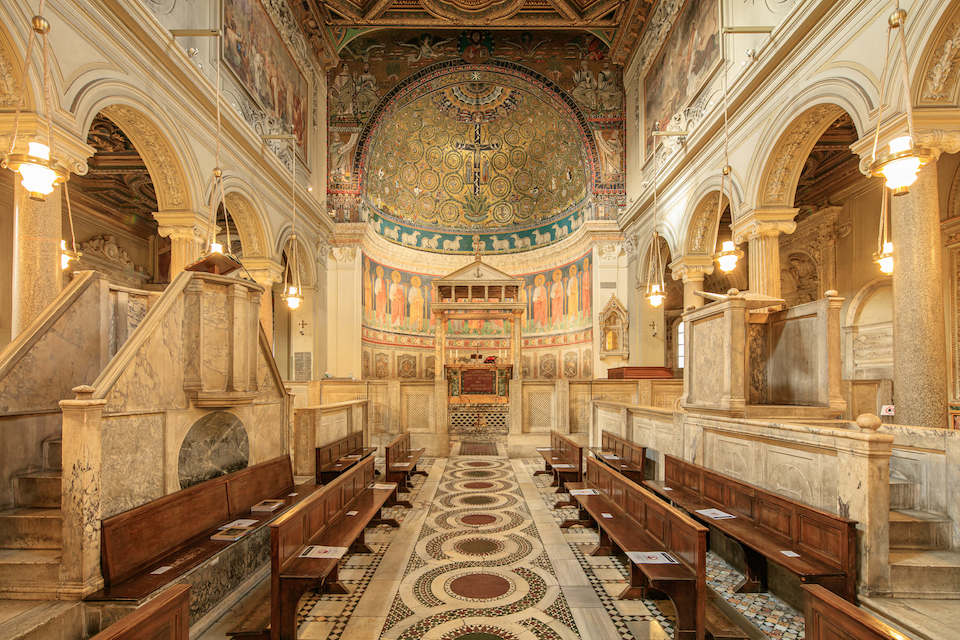
Continue to the Basilica of San Clemente, one of the most extraordinary examples of Rome’s layered archaeology. The present medieval church stands above an earlier basilica, which itself lies above Roman structures from the first centuries of the Empire. Descending through the levels is like moving backward through time. Your guide explains how buildings changed function, how early Christian communities adapted existing urban spaces and how archaeological evidence allows us to reconstruct daily life beneath the current street level.
Depending on opening conditions and the day’s route, the experience may also include other historic churches linked to early Christianity and medieval Rome, such as the complex of the Santi Quattro Coronati. These quieter sites introduce frescoes, cloisters and stories often missed by visitors who remain on the main tourist routes.
The journey concludes with another important connection between faith and art at San Pietro in Vincoli, known for the chains traditionally associated with Saint Peter and for Michelangelo’s powerful statue of Moses, created for the tomb of Pope Julius II. Here the spiritual and artistic histories of Rome meet in a particularly striking way.
Throughout the tour, the guide connects the sites rather than treating them as isolated churches. You will see how the Roman city was reused, transformed and reinterpreted over centuries, and why some of the most revealing places in Rome are found not on the skyline, but beneath your feet.
Please Note : This tour visits active places of worship. Shoulders and knees must be covered, and access may be restricted during Masses, religious ceremonies or special events. Underground areas involve stairs, uneven surfaces and confined historic spaces. The order of churches may change according to opening hours, restoration work and operational requirements.